
When you need a windshield or side window replaced, you'll quickly run into terms like OEM, dealer glass, and aftermarket. They can sound interchangeable, but they describe different ways the glass is made and sourced, and the choice can affect how well the glass fits, how clearly you see through it, and whether features like rain sensors or cameras work correctly. Here's a plain-English guide so you can make an informed decision.
The three main types of auto glass
Most replacement glass falls into one of three categories. Understanding the labels helps you compare quotes apples-to-apples.
- OEM (Original Equipment Manufacturer): glass made to the vehicle maker's exact specifications, often by the same supplier that produced the glass installed at the factory. It typically carries the automaker's logo.
- OEE / dealer glass: 'Original Equipment Equivalent' glass built to match OEM specifications very closely. It may come from the same manufacturers but is sold without the automaker's branding, often at a lower cost.
- Aftermarket: glass produced by independent manufacturers to fit your make and model. Quality varies widely by brand, from excellent to merely adequate.
All auto glass sold in the U.S. must meet federal Department of Transportation safety standards. Every option here is legal and safe to drive on; the differences are about fit, optics, and features rather than basic safety.
Where the differences actually show up
Two windshields can both pass safety testing yet still feel different once installed. These are the areas where quality separates good glass from the rest.
Fit and finish
A windshield that's even slightly off in its curve or thickness can be harder to seal cleanly, which raises the risk of wind noise or water leaks down the road. OEM and high-quality OEE glass are matched tightly to your vehicle's dimensions, so they tend to drop in with fewer surprises.
Optical clarity
The glass directly in your line of sight should be free of distortion. Premium glass holds tighter optical tolerances, so you won't notice subtle waviness or glare, especially at the edges or when looking through it at an angle in bright sun.
Built-in features
Modern windshields are not just glass. Depending on your vehicle, yours may include any of the following, and the replacement needs to match exactly.
- Brackets and mounts for a forward-facing camera or rearview mirror
- Rain and light sensors that control wipers and headlights
- Heating elements for de-icing the wiper park area
- Acoustic interlayers that reduce road and wind noise
- Built-in shade bands, antennas, or HUD (heads-up display) zones
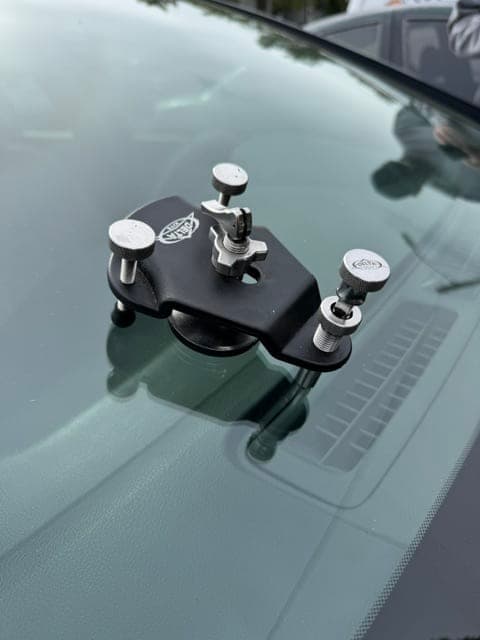
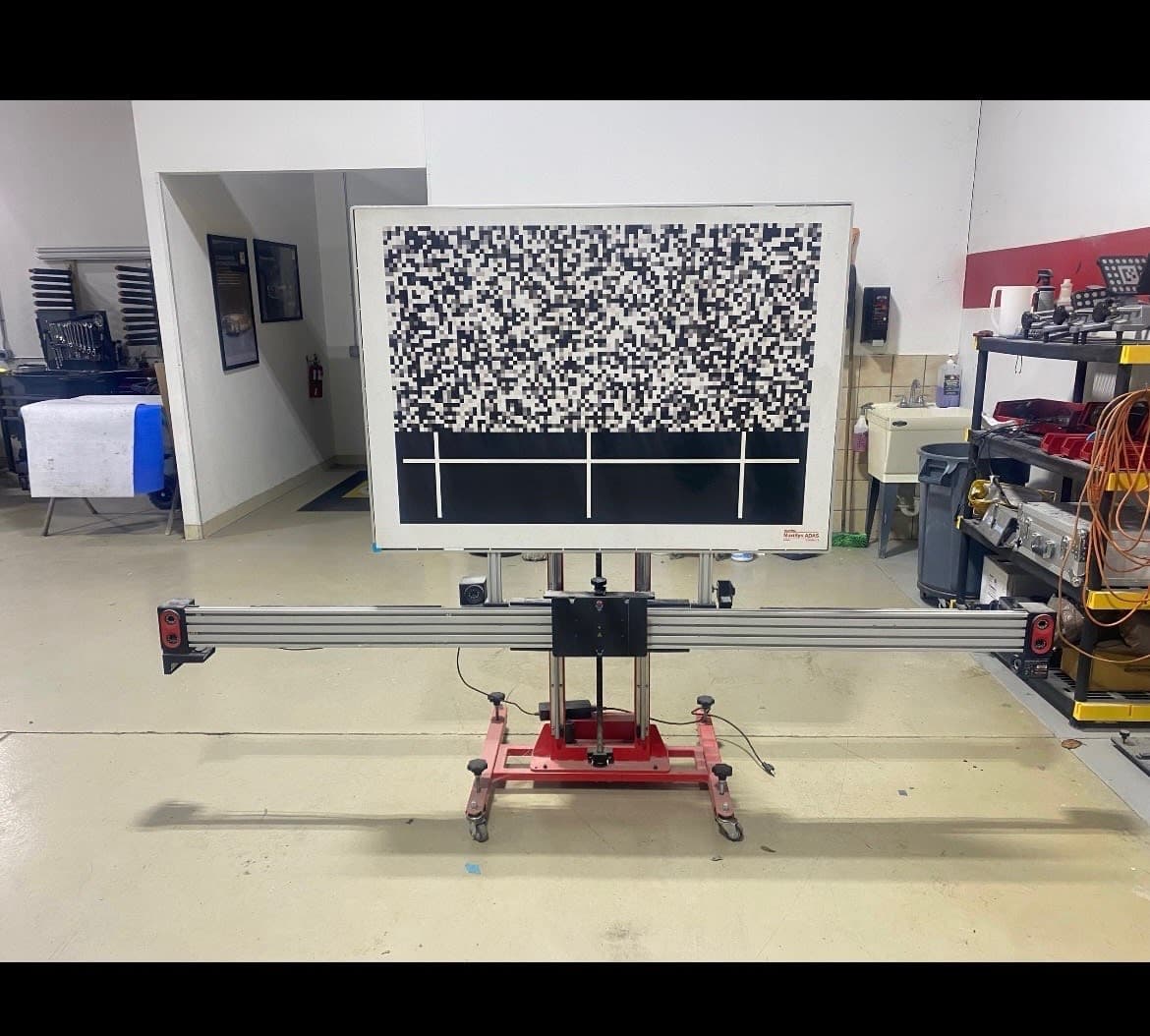
If your vehicle has a windshield-mounted camera for lane-keeping, automatic braking, or adaptive cruise (often called ADAS), the replacement glass and the camera's calibration matter a great deal. Ask us about your specific vehicle, and we'll tell you whether calibration is needed so those systems read the road correctly.
When each type makes sense
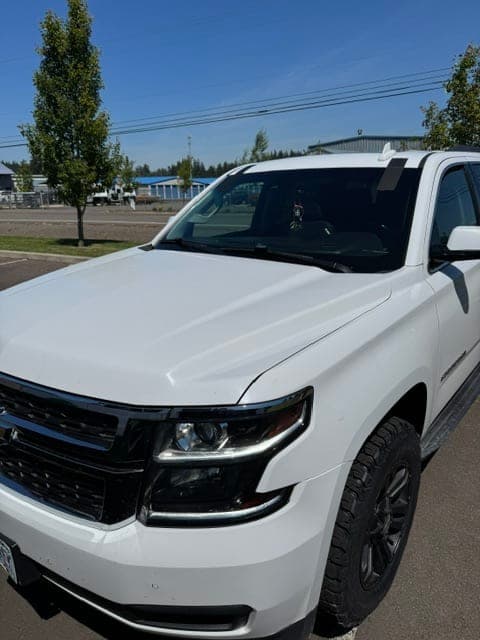
Whatever the make or model, the goal is the same: glass that's correctly matched to your exact vehicle so it seals well, looks clear, and keeps every feature working. That's the standard we hold every job to.
Price depends on several factors, so a fair estimate has to be specific to your car. The main drivers of cost include the type of glass (OEM tends to be the most expensive), the complexity of your windshield's built-in features, whether calibration is required, and the year, make, and model of your vehicle.
In Oregon, glass damage is usually handled under the comprehensive portion of your auto policy rather than collision. Many comprehensive policies cover windshield chip repair with little or no deductible, since fixing a small chip early is far cheaper than a full replacement. For a full replacement, your deductible and coverage terms will apply. We're glad to help you understand your options and work with your insurer.
Catch chips early. A small rock chip can often be repaired in minutes before it spreads into a crack that requires a full replacement. The sooner you call, the more likely a quick repair will do the job.
How we handle glass selection
State Auto Glass has served Salem and the mid-Willamette Valley since 1961, and we're a mobile service, so we come to you at home, work, or the job site, usually the same day. We use quality glass matched to your exact year, make, and model, and we'll walk you through the OEM, OEE, and aftermarket options for your vehicle before any work begins, including whether your car needs camera calibration. Our certified, trained technicians stand behind every install with a 100% satisfaction guarantee.
Get a free quote for your exact vehicle
Not sure which glass is right for your car? Call or text State Auto Glass at (503) 363-0844 for a free, no-pressure quote. We come to you anywhere in Salem, Keizer, Albany, Corvallis, McMinnville, and across the mid-Willamette Valley, often the same day.