You parked with a small star-shaped chip in the windshield, figured you'd deal with it later, and a few days on it has grown into a line stretching across the glass. It happens constantly, and it usually isn't because you did anything wrong. A windshield is under constant stress, and once the glass is broken, that stress has a place to go. Here's why cracks spread, what makes them spread faster, and the simple steps that can buy you time until a quick repair.
What's actually happening when a crack grows
Your windshield is laminated safety glass: two layers of glass bonded to a plastic interlayer. It's strong, but it's also under tension and bonded tightly into the body of your car. A chip or crack is a weak point, and every time the glass flexes or expands, the energy concentrates at the tip of that break. When the stress gets high enough, the crack runs a little farther. Repeat that a few hundred times a day on Oregon roads, and a tiny chip turns into a long crack.
The main reasons cracks spread
Most spreading cracks come down to a handful of everyday causes. Often several work together.
- Temperature swings: Glass expands when warm and contracts when cold. A chilly morning followed by a sunny afternoon, common in the Willamette Valley, makes the glass move just enough to push a crack along.
- Defroster and heat blasts: Aiming hot defroster air at a cold, cracked windshield creates a sharp temperature difference across the glass. That uneven expansion is one of the fastest ways to turn a chip into a crack.
- Road vibration and bumps: Potholes, gravel roads, railroad crossings, and rough pavement flex the whole windshield. Each jolt nudges an existing break.
- Moisture and dirt in the break: Water and grime work into a chip. When that moisture freezes overnight it expands, prying the break open. Dirt also makes a clean repair harder later.
- Body flex and door slams: Twisting the chassis on uneven driveways, or even slamming a door with the windows up, sends a pressure pulse through the cabin and the glass.
Cranking the defroster on full heat to clear a frosty, chipped windshield is one of the most common ways drivers accidentally turn a repairable chip into a full crack. Warm the cabin gradually instead.
How to slow a spreading crack
You can't truly stop a crack at home, but you can reduce the stress on the glass while you arrange a repair. These steps help buy time.
- Avoid big temperature swings. Don't blast the defroster on a cold morning, and don't park a hot car in deep shade or run cold AC straight at the glass on a hot day.
- Keep the break clean and dry. Cover a chip with a small piece of clear packing tape to keep out water and dirt. Don't get adhesive in the break itself, and don't use household glues.
- Drive gently. Slow down for potholes, avoid rough gravel roads when you can, and ease over speed bumps and railroad tracks.
- Don't slam doors with all the windows up, which spikes cabin pressure against the glass.
- Get it looked at quickly. The single most effective step is a fast professional repair before the crack grows past the repairable point.
Why fast repair matters
There's a real window of opportunity with a chip. While a break is small, a technician can usually inject resin, restore much of the strength, and stop it from spreading, often in well under an hour. Once a crack grows long, runs into the edge of the glass, or sits in the driver's line of sight, repair is no longer an option and the windshield needs replacement. Acting early is almost always the cheaper, faster path.
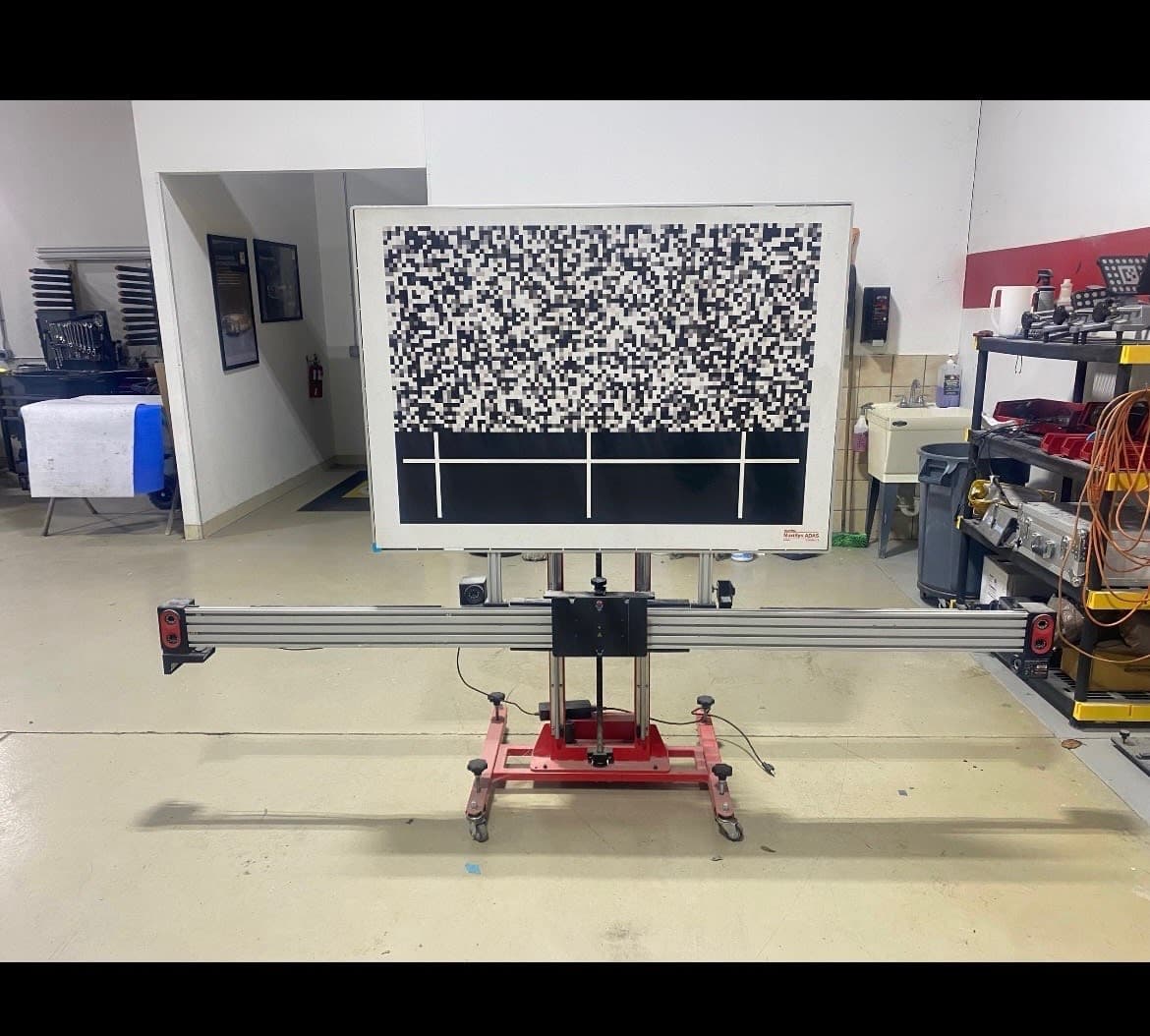
If your vehicle has a forward-facing camera or driver-assist features (lane keeping, automatic braking), a windshield replacement may require ADAS recalibration so those systems aim correctly. Ask us and we'll tell you whether your specific vehicle needs it.
Mobile repair makes acting fast easy
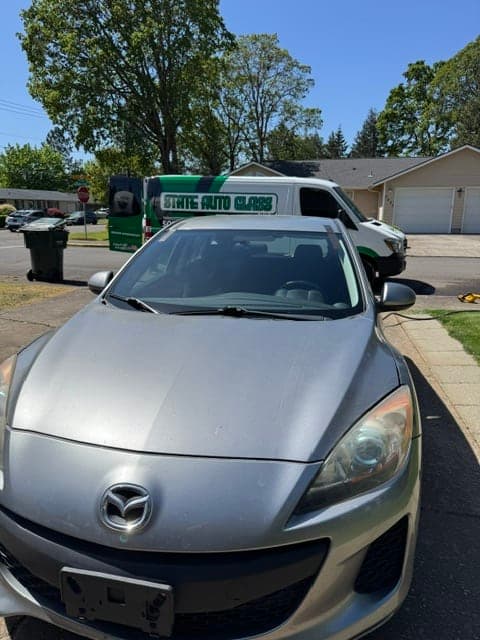
The reason most chips become cracks is simple: people put off the repair because driving to a shop is a hassle. That's exactly what State Auto Glass removes. We're a mobile service, so we come to you at home, the office, or a job site anywhere across Salem, Keizer, and the mid-Willamette Valley, with same-day service in most cases. Doing it right since 1961, our certified, trained technicians can often stop a small chip before it ever turns into a windshield you have to replace.
The best time to fix a chip is the day you notice it. The next best time is before your next cold morning.
Stop that chip before it spreads
Call or text State Auto Glass at (503) 363-0844 for a free quote on mobile chip repair. We come to you in Salem and across the mid-Willamette Valley, same day in most cases.