If your car was built in roughly the last decade, there's a good chance it sees the road for you. Tucked behind the top of your windshield is a small camera that helps run features like lane-keeping assist, automatic emergency braking, and adaptive cruise control. When you replace the windshield, that camera's view shifts — even slightly — and it usually needs to be recalibrated so those systems aim where they should. Here's a plain-English look at how ADAS calibration works and why it matters for your safety.
What ADAS actually is
ADAS stands for Advanced Driver Assistance Systems. It's the umbrella term for the technology that helps you avoid collisions and stay in your lane. Most of these systems rely on sensors — and on many vehicles, the key sensor is a forward-facing camera bonded to the inside of the windshield. Common ADAS features include:
- Lane-keeping assist and lane-departure warning, which watch the painted lines and nudge or alert you if you drift
- Automatic emergency braking, which can apply the brakes if it detects a collision is coming
- Adaptive cruise control, which keeps a set distance from the car ahead
- Traffic-sign recognition and forward-collision warning
These features only work as well as the camera's aim. The system makes split-second decisions based on what that camera sees, so its alignment has to be precise.
Why a new windshield means recalibration
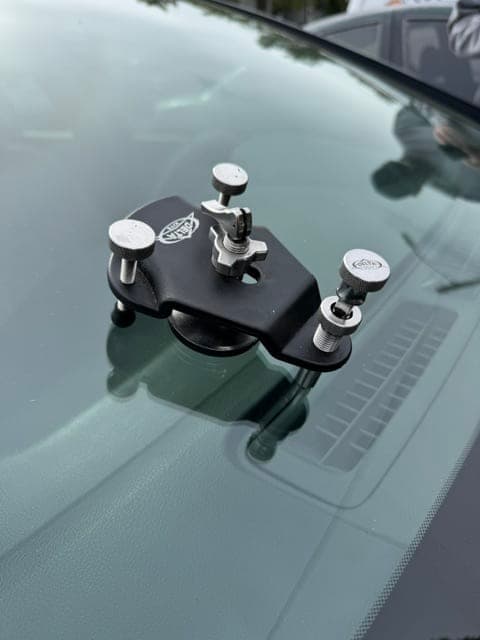
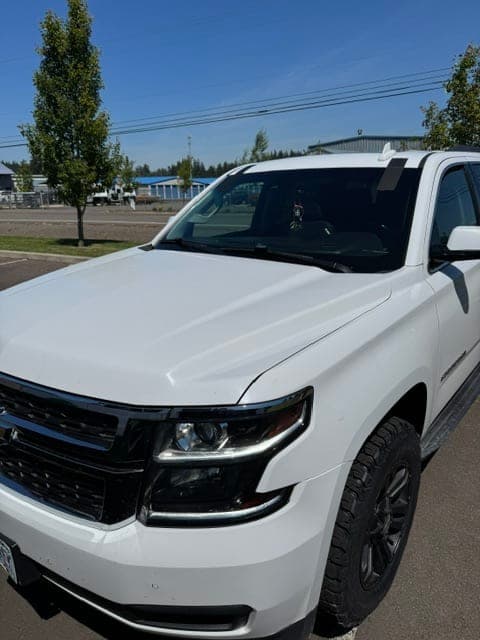
The camera is mounted to the glass, so the windshield is essentially part of the sensor's frame of reference. When a windshield is replaced, a few things change: the new glass may have slightly different optical properties, the camera bracket gets re-seated, and the camera's angle can shift by a tiny amount. To a human eye that difference is invisible. To a system measuring distances and angles down the road, even a fraction of a degree off can move the aim point by feet at highway distances.
That's why most manufacturers require the camera to be recalibrated after a windshield replacement. Recalibration tells the system exactly where 'straight ahead' is again, so lane-keeping stays centered and emergency braking triggers at the right moment — not too early, not too late.
Not every vehicle needs it. Older cars without a windshield-mounted camera don't require calibration. If you're not sure whether yours does, just ask us — we'll tell you whether your specific vehicle needs it before any work begins.
Static vs. dynamic calibration
There are two main ways to recalibrate the camera, and the right one depends on the vehicle's make and model. Some cars need one, some need the other, and some need both.
Static calibration
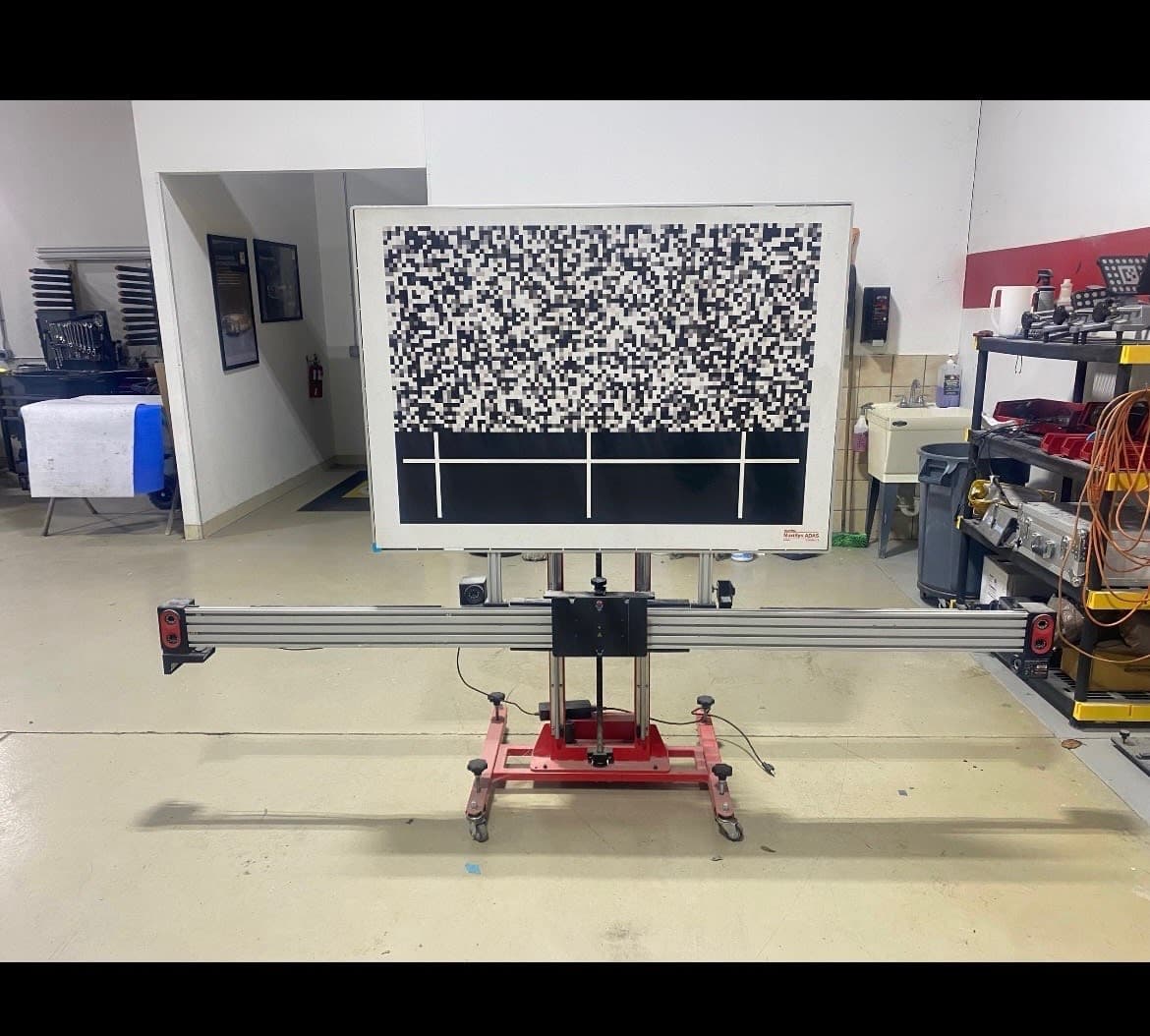
Static calibration is done with the vehicle parked and stationary. Precisely positioned targets — printed boards or patterns — are set up in front of the car at manufacturer-specified distances and heights. The camera reads those targets, and software resets its reference points. This method needs a level, controlled space and careful measurements.
Dynamic calibration
Dynamic calibration is done by driving the vehicle. With specialized equipment connected, a technician drives at certain speeds on well-marked roads so the camera can recalibrate itself against real lane lines and traffic. Clear weather and visible road markings matter here.
Because requirements vary so much between vehicles, this is something to confirm for your specific car rather than assume. When you book with us, we'll let you know what your vehicle calls for so there are no surprises.
The safety stakes — and why you shouldn't skip it
It can be tempting to think of calibration as an optional add-on. It isn't. An uncalibrated camera may still appear to work, but it can misjudge where your lane is or how close the car ahead really is. That can mean lane-keeping that pulls the wrong way, or automatic braking that reacts late — exactly when you're relying on it most.
A windshield-mounted camera that hasn't been recalibrated after replacement can give your safety systems a wrong picture of the road. If your dashboard shows an ADAS or driver-assist warning light after a glass replacement, don't ignore it — have it addressed.
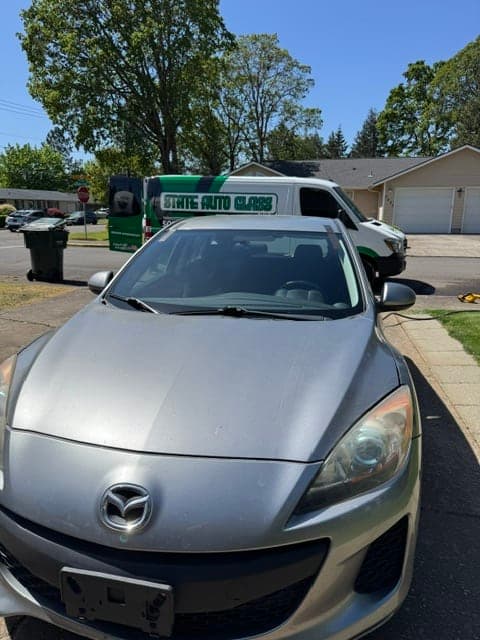
For more than 60 years, State Auto Glass has handled windshield work for drivers across Salem, Keizer, and the mid-Willamette Valley. We're a fully mobile service — we come to you at home, the office, or the job site, often the same day — and our certified, trained technicians will walk you through whether your vehicle needs calibration as part of the job. No shop visit, no guesswork.
Need a windshield replaced and not sure about calibration?
Get a free quote and we'll tell you exactly what your vehicle needs. Call or text State Auto Glass at (503) 363-0844 — we come to you anywhere in Salem and the mid-Willamette Valley, usually the same day.